When the Kids Grow Up: How Families Find a New Balance


When the Kids Grow Up: How Families Find a New Balance
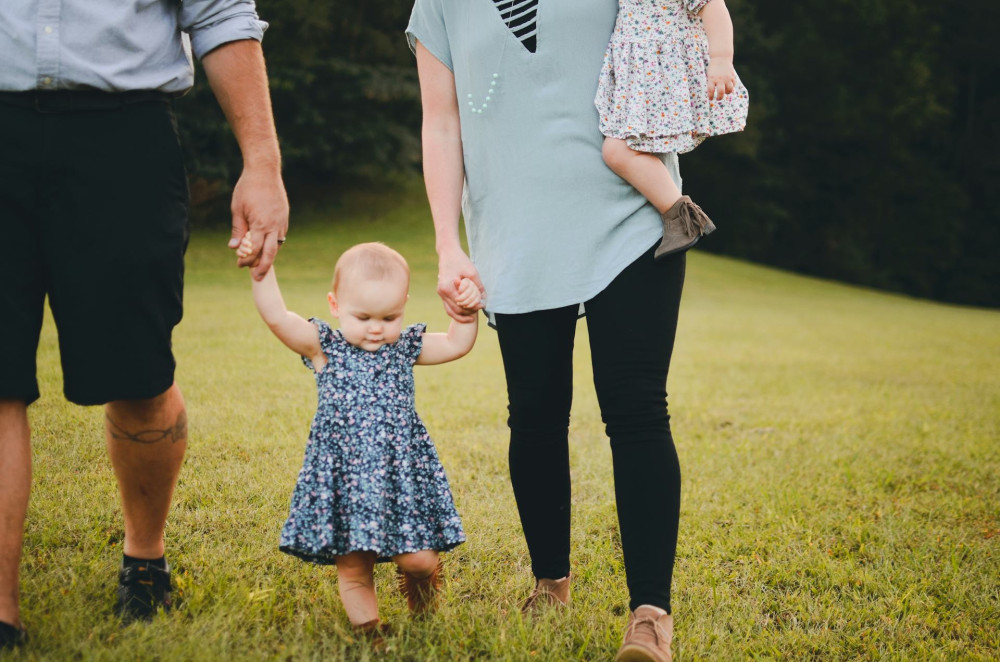
As children grow older, family life naturally shifts. The little hands that once reached for comfort become independent teens eager to make their own choices. The role of a parent changes too—it can feel both freeing and unsettling. How do families find a new balance when the kids grow up, and how can parents stay close while giving their children the space they need?
From Guiding to Supporting
In the early years, parenting is about structure, safety, and clear boundaries. But as kids mature, they need something different: trust, open communication, and room to explore. Letting go of control can be hard, especially when you still see the child behind the teenager’s confidence.
Finding balance means shifting from guiding to supporting. Instead of solving problems for them, help them figure out solutions on their own. Ask questions, listen, and show interest—without taking over. This builds both their confidence and your connection.
New Roles Within the Family
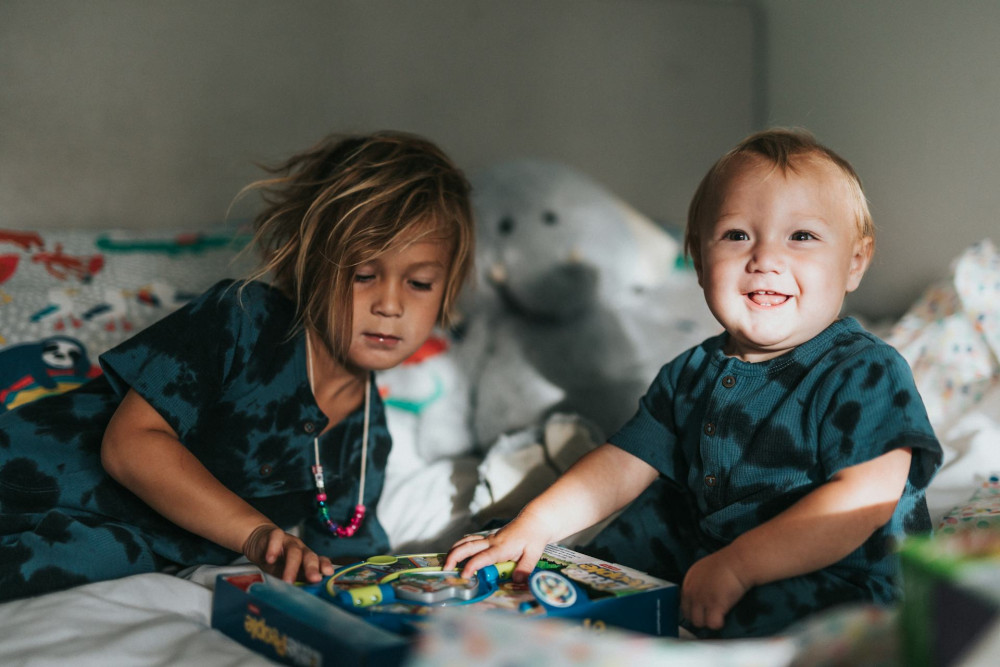
As children grow, the family dynamic evolves. Maybe younger siblings still need a lot of attention while older ones crave independence. That can create tension, but it also opens new opportunities to connect in different ways.
Parents often have to redefine their roles—from being the decision-makers to becoming mentors and sounding boards. Sibling relationships can also change as age gaps feel smaller and shared interests emerge.
It helps to talk openly about these changes. How does each person feel about the new stage? What’s working, and what needs adjusting? Honest conversations can prevent misunderstandings and strengthen the sense of teamwork at home.
Keeping Family Connections Strong
When kids become more independent, it’s easy to let everyone drift into their own routines. But family connection still matters—perhaps more than ever. The key is to find new ways to spend time together that feel natural, not forced.
- Share meals whenever possible, and involve everyone in cooking or planning.
- Create small traditions, like Friday movie nights, weekend breakfasts, or family walks.
- Show interest in their world—their music, friends, school, or hobbies—without judgment.
- Keep humor alive—laughter makes it easier to talk about tough topics and keeps the bond strong.
Family time doesn’t have to be elaborate. What matters is that it feels like a place where everyone can be themselves.
The Couple’s New Chapter
As children become more self-sufficient, parents often find themselves with more time and energy. That can be a chance to rediscover each other as partners—not just as co-parents. But it can also reveal how much of the relationship has revolved around the kids.
Use this time to reconnect. Talk about what you’ve missed, what you dream about, and what you want for the next stage of life. Maybe it’s time to revive old hobbies, take short trips, or simply enjoy quiet evenings together. Investing in your relationship strengthens the whole family.
Letting Go—But Staying Close
Watching your children grow up doesn’t mean they no longer need you. They just need you differently. They need to feel your trust—and to know you’ll be there if things go wrong.
It’s a delicate balance: giving freedom without disappearing. Be available without hovering. Ask how they’re doing, but respect their privacy. Trust grows when they sense that you believe in them.
Læs også:



A Family in Motion
Family life is never static. It changes as children grow and parents evolve. The key is to see these changes not as losses, but as natural transitions—new phases filled with new possibilities.
When families stay open, flexible, and curious about one another, they can find a new balance. A balance where children are free to grow—and parents grow right alongside them.
Læs også: