New Family Roles: Challenging Old Ideas About Moms and Dads


New Family Roles: Challenging Old Ideas About Moms and Dads
For generations, family roles in the United States were clearly defined: moms stayed home to care for the children, while dads went to work to provide for the family. But that picture no longer reflects the reality of most American households. Today, more fathers are taking parental leave, more mothers are leading companies, and many families are redefining what it means to share responsibility and care. The old ideas about what a mom or dad “should” be are giving way to a more flexible, equal, and diverse understanding of family life.
From Provider and Caregiver to Shared Responsibility
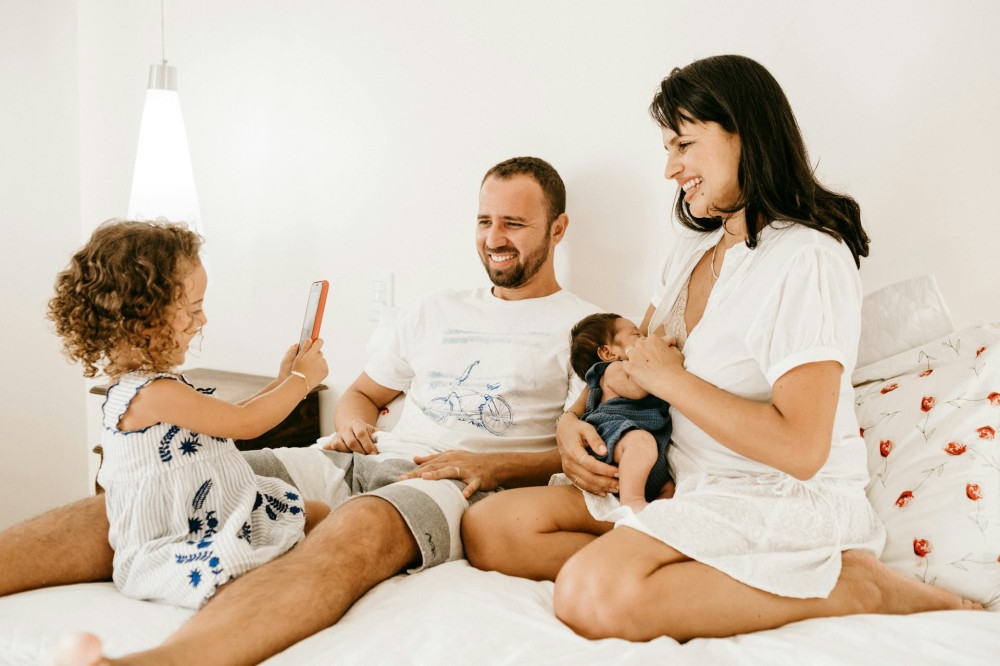
As society has changed, so have the expectations within families. Women now make up nearly half of the U.S. workforce, and men are increasingly involved in daily parenting tasks—from school drop-offs to bedtime routines. This shift means that family roles are no longer predetermined but negotiated and shaped together.
Many couples find that sharing both emotional and practical responsibilities creates a stronger sense of partnership. Still, it can raise new questions: Who stays home when a child is sick? Who manages the household schedule? And how do families avoid slipping back into old habits?
Open communication is key. It’s not about splitting everything 50/50, but about finding a balance that feels fair and sustainable for everyone involved.
Dads Taking Leave – A Cultural Shift
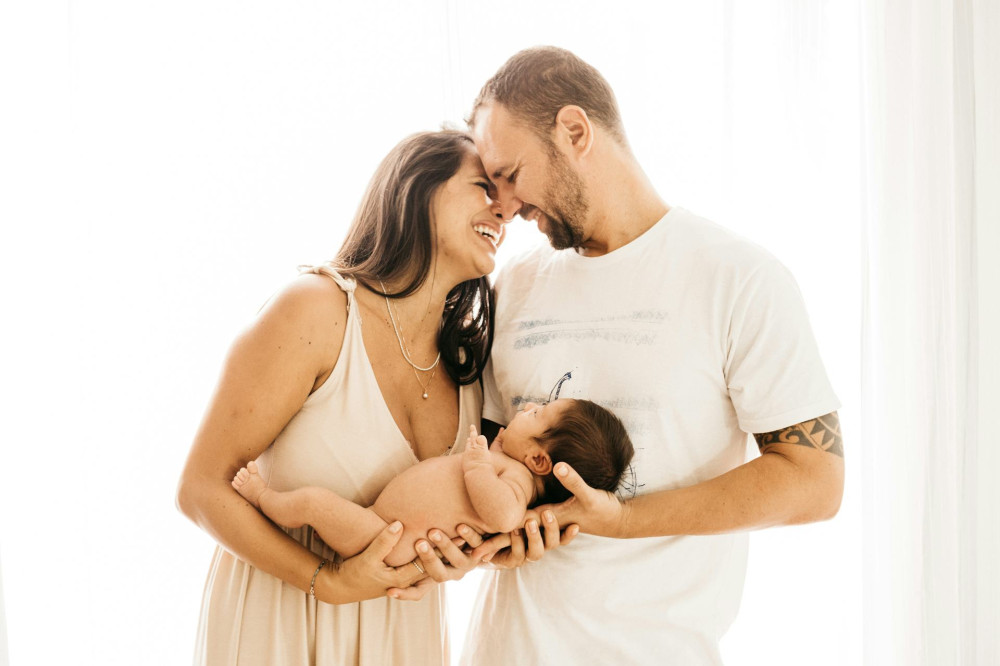
One of the clearest signs of change is the growing number of fathers taking parental leave. Although the U.S. still lags behind many other countries in offering paid leave, more companies are beginning to provide it—and more dads are choosing to take it. For many families, this time together strengthens the bond between father and child and helps establish a more equal partnership at home.
When fathers take an active role from the start, it challenges the outdated idea that dads are “helpers” rather than full parents. It also benefits children, who gain from having close, nurturing relationships with both parents. Research shows that kids with engaged fathers often develop stronger emotional and social skills—a win for the whole family.
Moms Under Pressure – Between Ambition and Expectation
Even as gender equality has advanced, many mothers still face intense pressure to “do it all.” The image of the perfect mom—always patient, successful at work, and endlessly available—remains powerful in American culture. Social media often amplifies these expectations, leaving many women feeling guilty or inadequate when reality doesn’t match the ideal.
It’s important to remember that there’s no single right way to be a mother. Some women thrive in full-time careers, others prefer more time at home, and many find a balance somewhere in between. What matters most is that the family’s choices support everyone’s well-being. Challenging old ideas also means giving moms permission to define success on their own terms.
Læs også:

New Family Forms – New Ways to Parent
American families today come in many shapes and sizes: single parents, blended families, same-sex parents, co-parenting arrangements, and more. These diverse family structures challenge traditional notions of “mom” and “dad,” showing that love and responsibility are not limited by gender or biology.
In many modern households, roles are shared based on strengths and circumstances rather than stereotypes. What matters most is that children feel secure, loved, and supported. When families embrace flexibility, everyone has the chance to contribute in meaningful ways—regardless of gender.
Communication and Respect as the Foundation
As family roles evolve, honest communication becomes more important than ever. Expectations and habits can run deep, and it takes time to build new patterns. The key is to approach each other with respect, curiosity, and a willingness to adapt.
Talk about what’s working and what isn’t. Revisit decisions as life changes—when kids grow older, when careers shift, or when new challenges arise. Flexibility and empathy are essential to creating a family life where everyone feels valued and heard.
A Family Life in Transformation – For the Better
Challenging old ideas about moms and dads isn’t about rejecting tradition; it’s about making room for new possibilities. When family roles become more equal and individualized, both parents and children gain the freedom to grow and thrive.
The modern American family is no longer defined by rigid roles but by shared values: love, respect, and responsibility. And perhaps that’s what makes today’s families stronger, more connected, and more resilient than ever before.
Læs også: