Free Play – The Path to Children’s Imagination and Well-Being

Free Play – The Path to Children’s Imagination and Well-Being
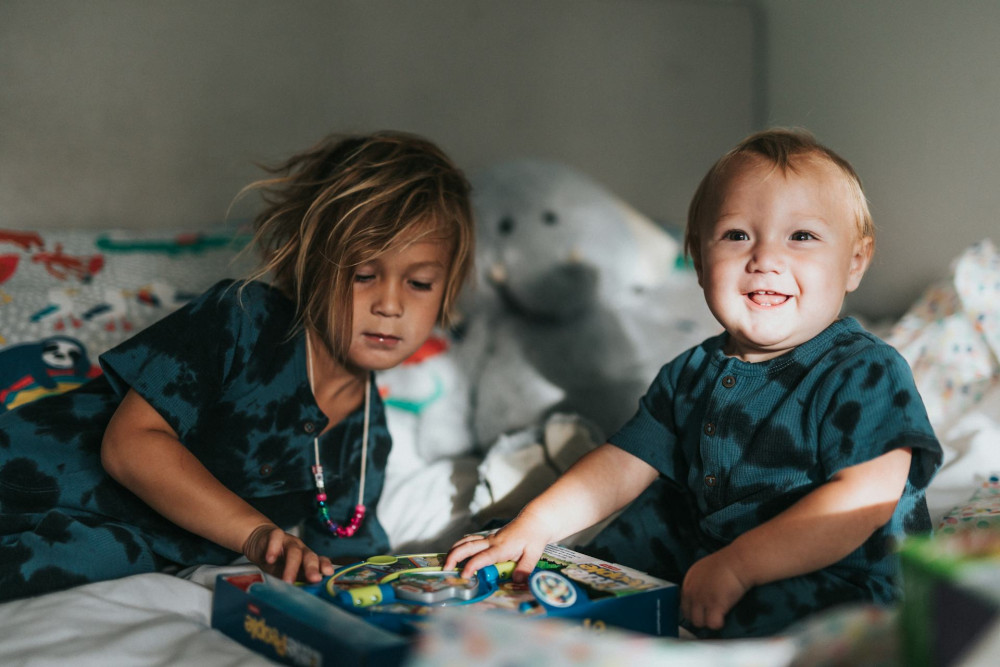
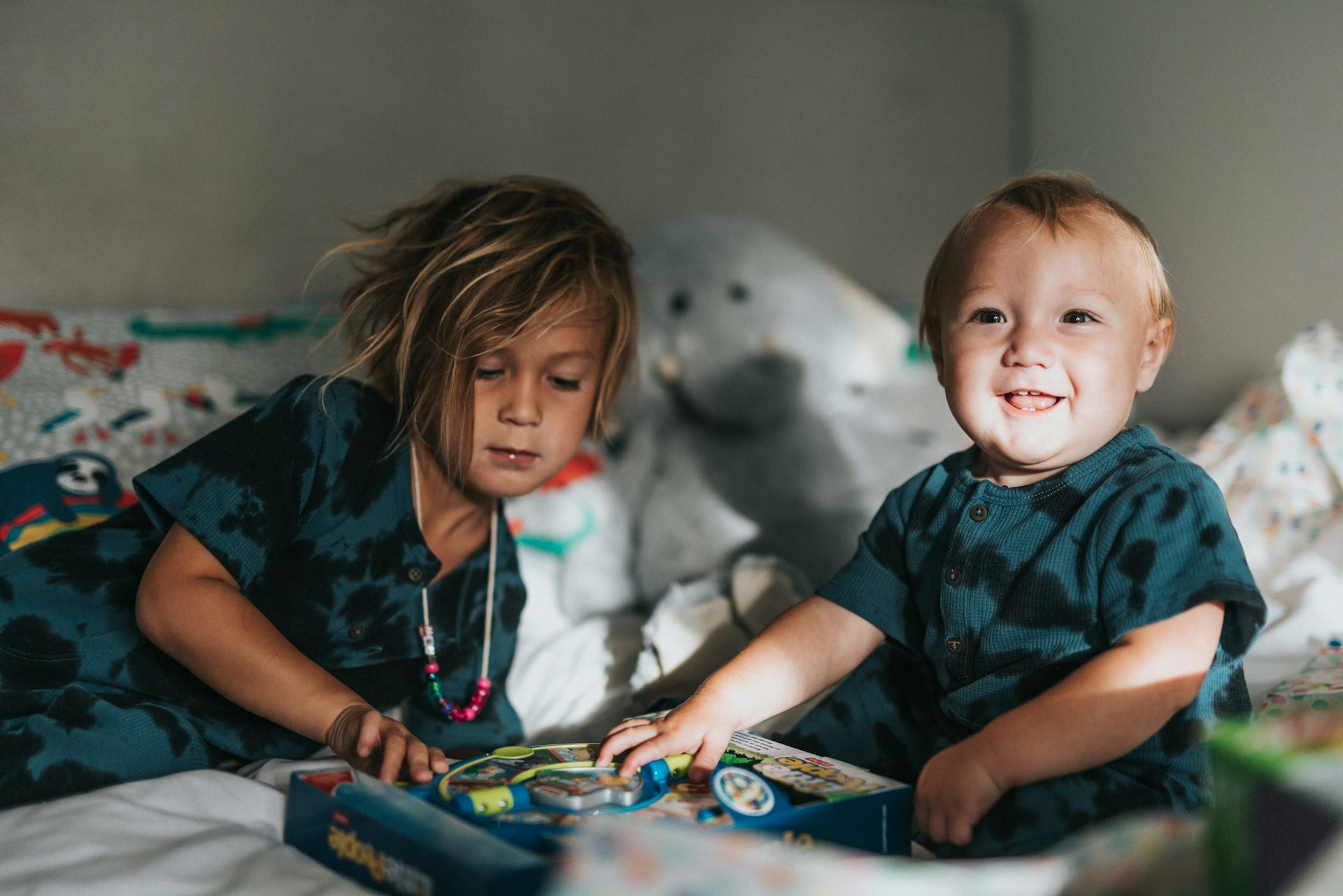
When children play freely, they open the door to a world where anything is possible. A stick becomes a magic wand, a cardboard box turns into a spaceship, and the backyard transforms into a jungle. Free play is not just a way to pass the time – it’s a vital part of childhood development. Through it, children learn to imagine, solve problems, cooperate, and understand themselves and others. In a culture where schedules are often packed with structured activities, it’s worth rediscovering the value of unstructured, child-led play.
What Is Free Play?
Free play is play that springs from a child’s own curiosity and ideas – without adult direction, rules, or goals. It can be building forts, pretending to be superheroes, or inventing stories with friends. Unlike organized sports or classes, free play allows children to set the pace, theme, and direction themselves.
That doesn’t mean adults should disappear. It’s about creating time and space where children can explore freely – without interruption or correction. When kids are trusted to play on their own terms, they develop creativity, independence, and confidence.
The Training Ground for Imagination
Free play is how children make sense of the world. Through play, they process experiences, emotions, and impressions. When a child plays “house” or “teacher,” they are experimenting with roles, relationships, and boundaries. It’s a kind of mental rehearsal that helps them understand others and find solutions to challenges.
Research in child development shows that children who have regular opportunities for free play tend to think more creatively and adapt more easily to change. These are skills that matter just as much as academic knowledge later in life.
Play and Well-Being Go Hand in Hand
Free play also has a direct impact on children’s well-being. When kids play, their bodies release endorphins, and they move in natural, joyful ways. This supports both physical health and emotional balance. Play also helps children form friendships and experience belonging on their own terms.
In a world where many children face pressure from schoolwork, sports, and social expectations, free play offers a much-needed break – a space where they can relax, recharge, and simply be themselves.
The Adult’s Role: Create Space, Not Rules
As parents or educators, it can be tempting to guide or structure play. But often, the best thing we can do is step back. Children need time and room to get bored – because boredom often sparks imagination.
You can support free play by:
- Giving time – leave some afternoons unscheduled.
- Creating space – provide areas where kids can build, dig, and experiment.
- Showing interest – ask about their play without taking over.
- Accepting mess – free play is rarely tidy, but it’s deeply meaningful.
When adults show trust in children’s ability to create their own fun, kids rise to the occasion.
Nature as the Ultimate Playground
The outdoors is a perfect setting for free play. There are no fixed rules, and the environment constantly changes. A branch can become a sword, a pile of leaves a mountain, and a puddle an ocean. Outdoor play stimulates the senses and encourages children to use their bodies in diverse ways.
Studies in the U.S. and beyond show that children who spend more time playing outside have better motor skills, concentration, and mood. They also learn responsibility, cooperation, and respect for nature.
Læs også:



Free Play in a Digital Age
Screens are a big part of modern childhood. While digital games can be fun and even educational, they can’t replace the spontaneous, physical, and social experiences of free play. The unpredictable moments, the small conflicts, and the laughter that come from real-world play are essential for learning and growth.
It’s not about banning technology but finding balance. Make sure there’s daily time without screens – time for kids to move, imagine, and connect face-to-face.
A Gift That Lasts a Lifetime
Free play isn’t just for childhood. The ability to play, to be curious, and to think creatively stays with us throughout life. When children are given the freedom to play, they build the foundation for joy, resilience, and problem-solving in a complex world.
Allowing children to play freely isn’t letting go – it’s giving them something they’ll carry with them forever.
Læs også: