Collaboration Through Play – How Children Learn to Become Part of a Community

Collaboration Through Play – How Children Learn to Become Part of a Community
When children play, something far deeper than laughter and imagination unfolds. Play is one of the most powerful ways children learn to understand themselves and others. Through play, they develop social skills, empathy, and the ability to cooperate — all essential elements of becoming part of a community. But how can adults support this development, and why is play so central to children’s social lives?
Play as a Social Laboratory
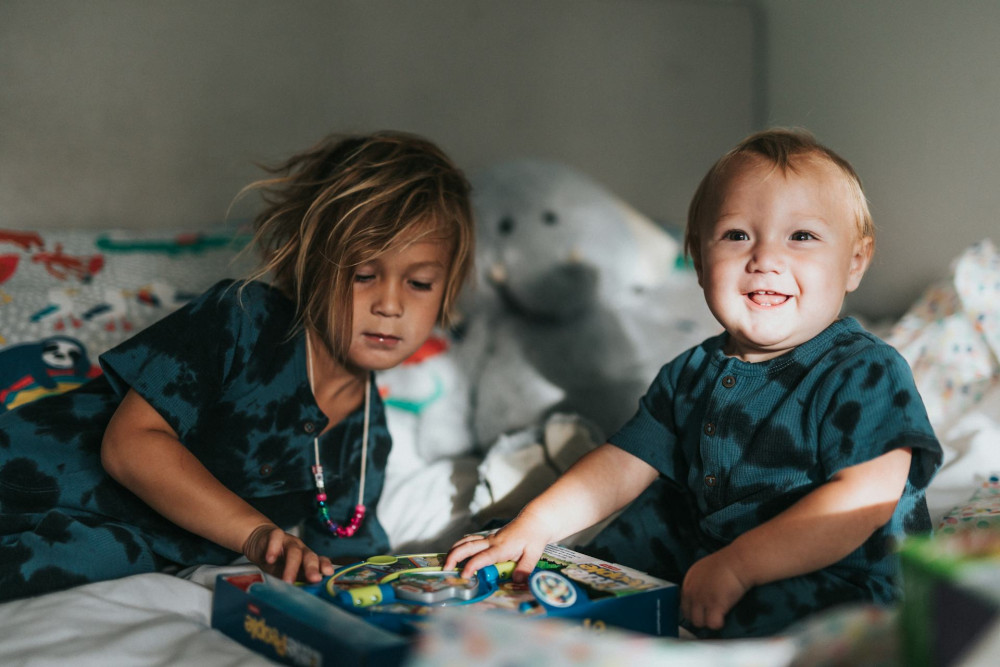
For children, play is a safe space to explore roles, rules, and relationships. Whether they’re building forts, playing tag, or pretending to run a restaurant, they practice negotiating, sharing, and taking others into account. They learn that a group works best when everyone contributes — and that keeping the play going often requires compromise.
In play, natural situations arise where children must solve conflicts, find common ground, and understand different perspectives. These moments are where they develop the social and emotional skills that later become crucial in school, friendships, and adult life.
Cooperation Begins with a Sense of Safety
Children can only cooperate when they feel secure. A sense of safety gives them the courage to participate, take initiative, and make mistakes. In a safe play environment, children dare to experiment with new ideas and roles because they know they’ll be met with understanding.
Adults play a key role in creating this sense of safety. It’s not about controlling the play, but about being present and attentive. When adults show interest, help set boundaries, and support children in resolving disagreements, they teach that a community can include differences and still stay strong.
When Play Becomes a Shared Project
Cooperation in play isn’t just about following rules — it’s about creating something together. It might be building a tower of blocks, putting on a puppet show, or inventing a new game. In these moments, children experience the joy of contributing to a shared goal — and the pride that comes when it succeeds.
Research in early childhood education shows that children who often engage in cooperative play develop stronger communication skills, better listening habits, and greater initiative. They learn that their ideas matter, but also that others’ ideas can make the outcome even better. This is a vital lesson that lays the foundation for teamwork in school, work, and community life.
Conflicts as Opportunities for Growth
No play happens without disagreements. Who gets to decide the rules? Who gets to join? Conflicts are a natural part of children’s interactions — and an important part of learning. When children learn to handle conflicts through dialogue and compromise, they develop empathy and an understanding of others’ needs.
Adults can support this by helping children put words to their feelings and find solutions together. Instead of stepping in with fixed rules, an adult might ask, “How can you make sure everyone has fun?” In this way, children learn that being part of a community isn’t about winning — it’s about finding balance.
Play Across Ages and Differences
Children learn a great deal from playing with others who are not just like them. When younger and older children play together, natural learning moments occur: older kids take responsibility, and younger ones learn by observing and imitating. The same happens when children from different backgrounds or abilities play together — diversity becomes a strength.
Schools, preschools, and community programs can support this by creating opportunities for inclusive play, where everyone can participate in their own way. Cooperative games, creative projects, and outdoor activities that focus on shared experiences rather than competition help build a sense of belonging for all.
Læs også:



The Adult’s Role – Guiding Without Controlling
For adults, it can be tempting to step in when play stalls or becomes unfair. But often, children learn the most when they’re allowed to find their own solutions. The adult’s role is more like that of an “invisible guide” — present, but not dominating.
It’s about asking questions that open reflection: “How can you make sure everyone has a part?” or “What happens if you switch roles?” In doing so, adults help children think in terms of community and cooperation without taking control away from them.
The Building Blocks of Community
When children learn to cooperate through play, they gain more than social skills. They develop a deep understanding that community is something we create together — and that it requires patience, respect, and imagination.
Play is not just a way to pass the time; it’s a vital part of children’s growth. It teaches them that we can be different and still belong. And perhaps that’s a lesson adults can take to heart as well: that community begins with curiosity, playfulness, and the desire to create something together.
Læs også: