Create Balance with Clothing: Lines and Patterns That Flatter Your Figure
Create Balance with Clothing: Lines and Patterns That Flatter Your Figure
Dressing to flatter your figure isn’t about hiding your body—it’s about creating balance and highlighting what you love most about yourself. With the right lines, cuts, and patterns, you can bring harmony to your look, no matter your body shape. Here’s a guide to using visual design in clothing to enhance your confidence and personal style.
Lines That Guide the Eye
Lines in clothing—whether visible or created through seams and tailoring—play a major role in how your body is perceived. They can lengthen, emphasize, or balance proportions.
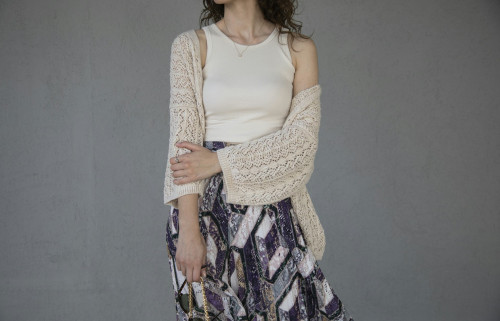
- Vertical lines create a long, lean effect. They draw the eye up and down, making you appear taller. Try them in the form of button plackets, pinstripes, or long cardigans.
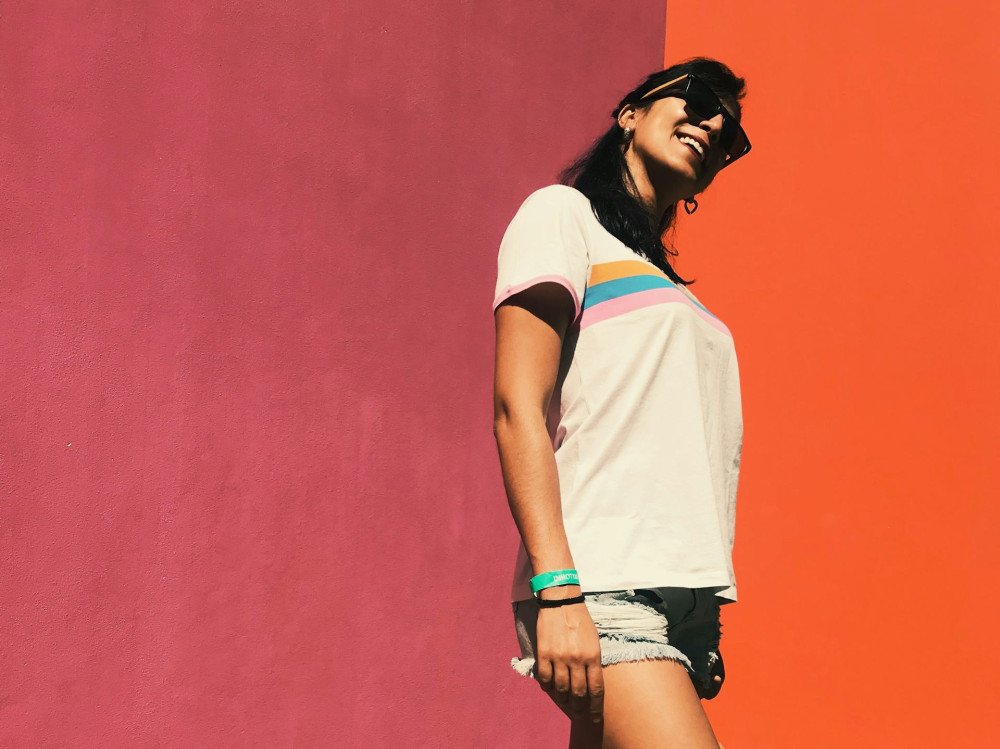
- Horizontal lines add width and stability. Use them to create balance, such as adding a striped top to broaden the shoulders if your hips are fuller.
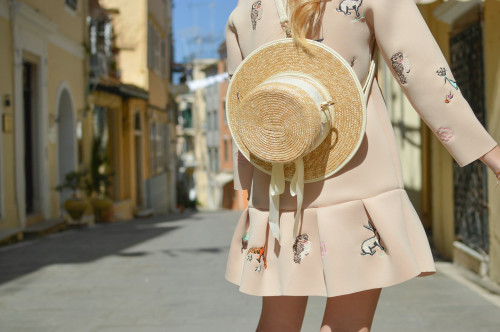
- Diagonal and V-shaped lines add movement and can define the waist. Wrap dresses and V-neck tops are classic examples that create a sense of flow and proportion.
Think of lines as visual tools—they can transform your overall look without changing your body.
Læs også:
Patterns That Work for You
Patterns can either highlight or soften your features. The key is choosing ones that complement your shape and personality.
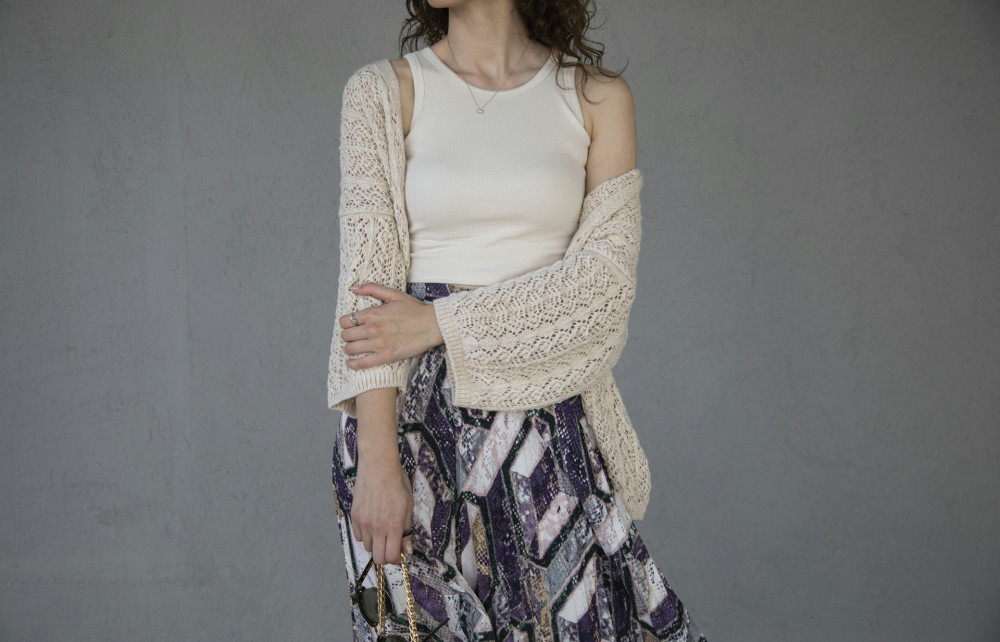
- Small patterns feel subtle and refined, while large patterns draw attention. Use bold prints where you want the eye to focus.
- Stripes are timeless and strategic. Vertical stripes elongate, horizontal stripes add volume, and diagonal stripes create dynamic movement.
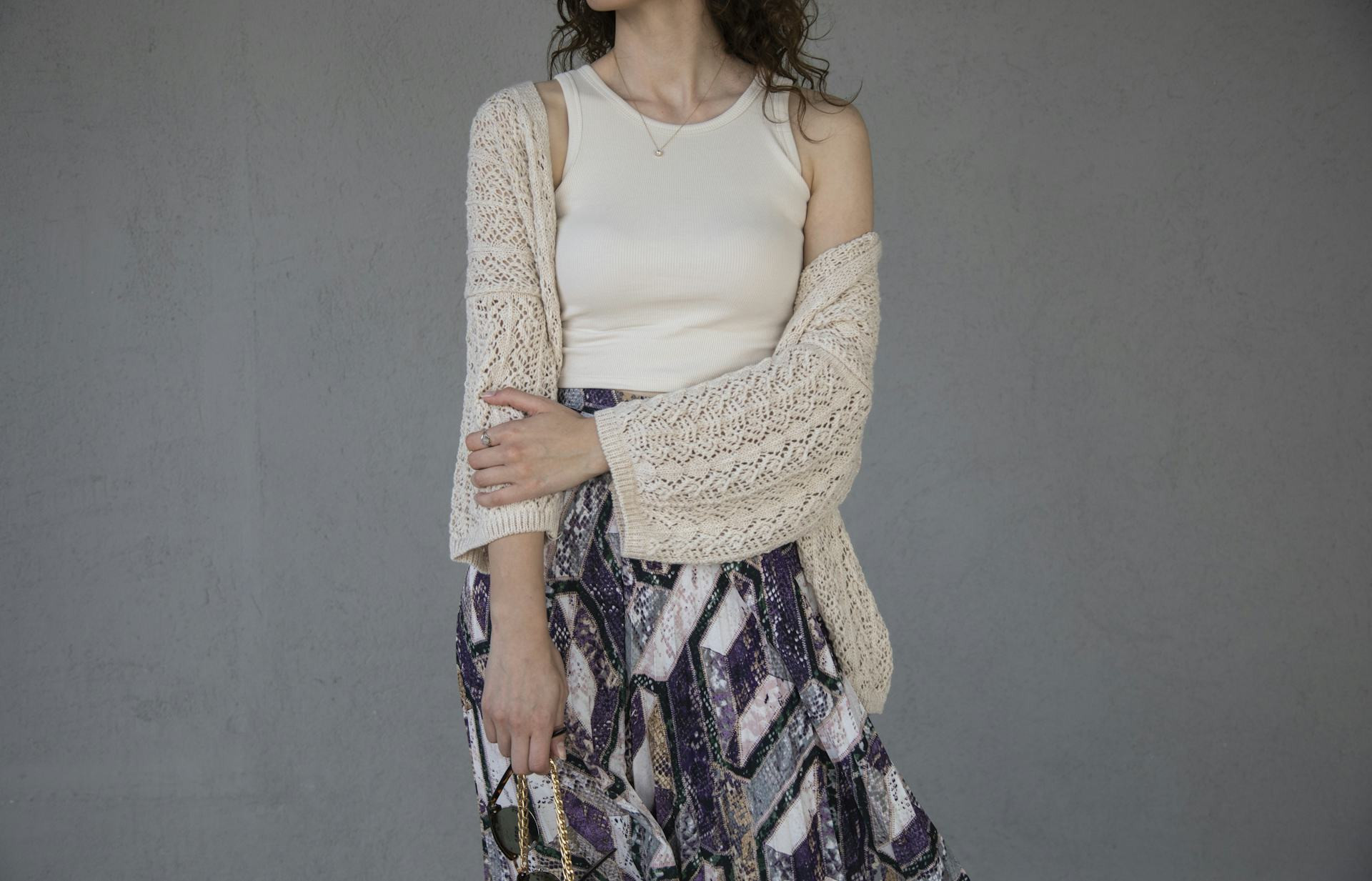
- Graphic prints and color blocking can visually sculpt your figure. For example, darker side panels on a dress can create the illusion of a narrower waist.
If you love prints but prefer a more understated look, use them in smaller doses—on a scarf, skirt, or pair of shoes.
Balancing Proportions
Flattering dressing is largely about balancing your upper and lower body. You can do this by adjusting volume and length.
- If you have narrow shoulders and fuller hips, balance your shape with structured jackets, puff sleeves, or shoulder details.
- If you have broader shoulders and slimmer hips, choose skirts with flare or pants with pockets and patterns that add volume below.
- A defined waist can be emphasized with belts, wrap styles, or peplum details, while a straighter figure can gain shape through layering and soft fabrics.
The goal is for your clothes to follow your body’s natural lines—not to cling, but not to hide everything either.
The Role of Color
Color influences how we perceive shape and proportion. Dark shades recede and slim, while light and bright colors draw attention. Use color to create visual balance:
- Apply darker tones where you want to minimize.
- Use lighter or brighter hues where you want to highlight.
- Combine solid pieces with patterned ones for both calm and contrast.
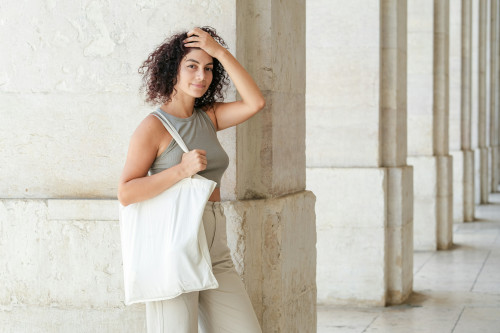
An outfit in a single color family from head to toe can also make you appear taller and more streamlined.
Clothing That Feels Like You
While lines and patterns can be used strategically, the most important thing is how you feel in your clothes. Style isn’t just about appearance—it’s about comfort and authenticity. When you look in the mirror, ask yourself: Does this feel like me? If the answer is yes, you’re already on the right track.
Creating balance with clothing is ultimately about finding your own visual rhythm—a blend of shape, color, and personality that helps you feel at home in your body and confident in your style.
Læs også: