When Strength Becomes a Burden: Women’s Grief Under Society’s Expectations of Them

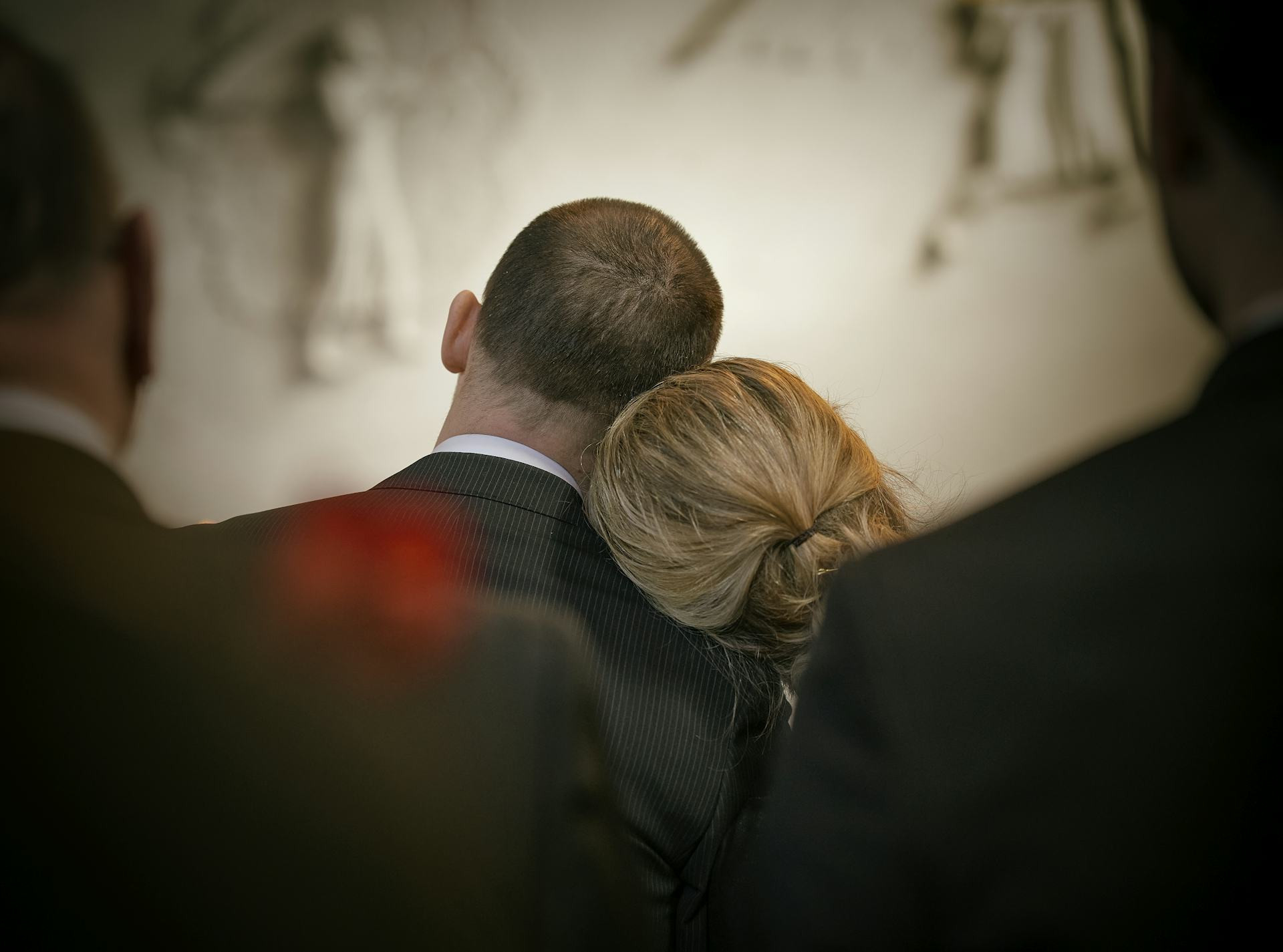
When Strength Becomes a Burden: Women’s Grief Under Society’s Expectations of Them
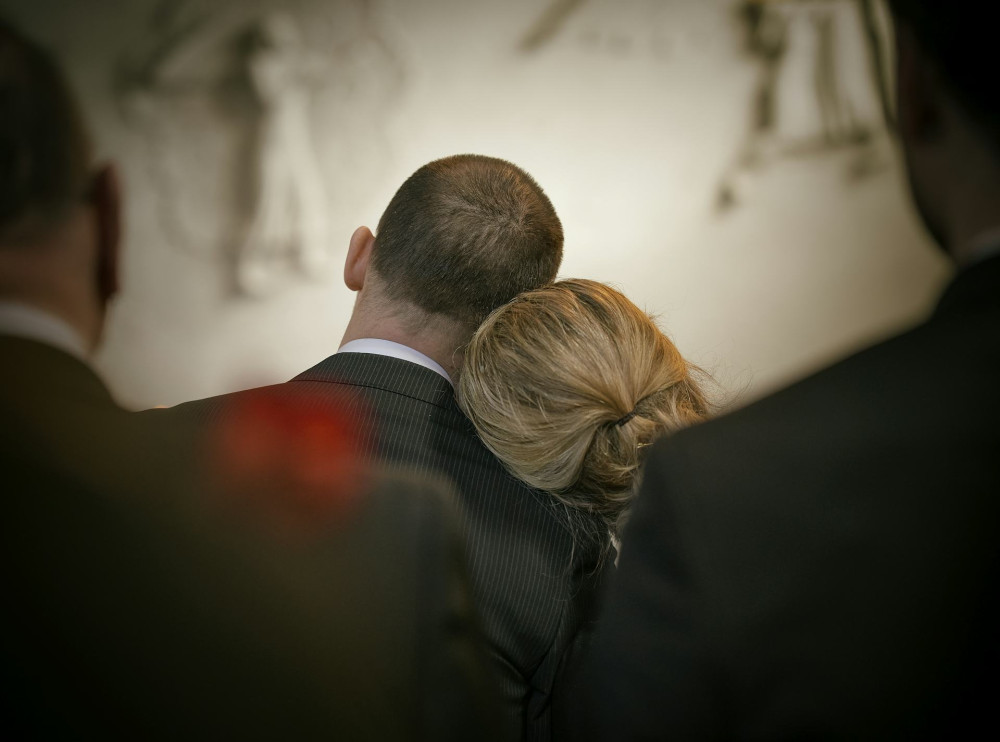
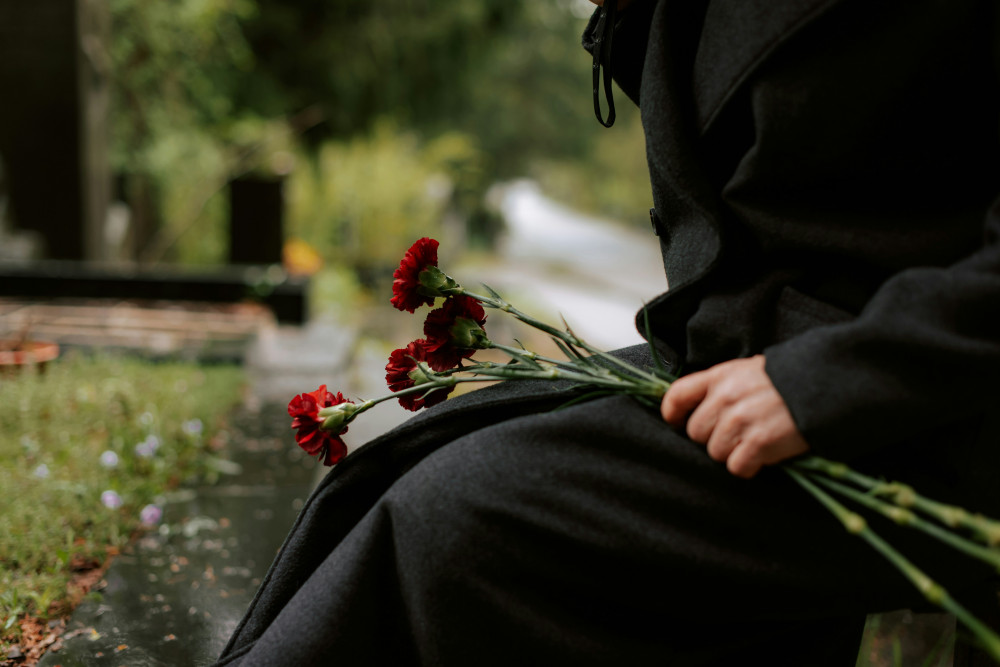
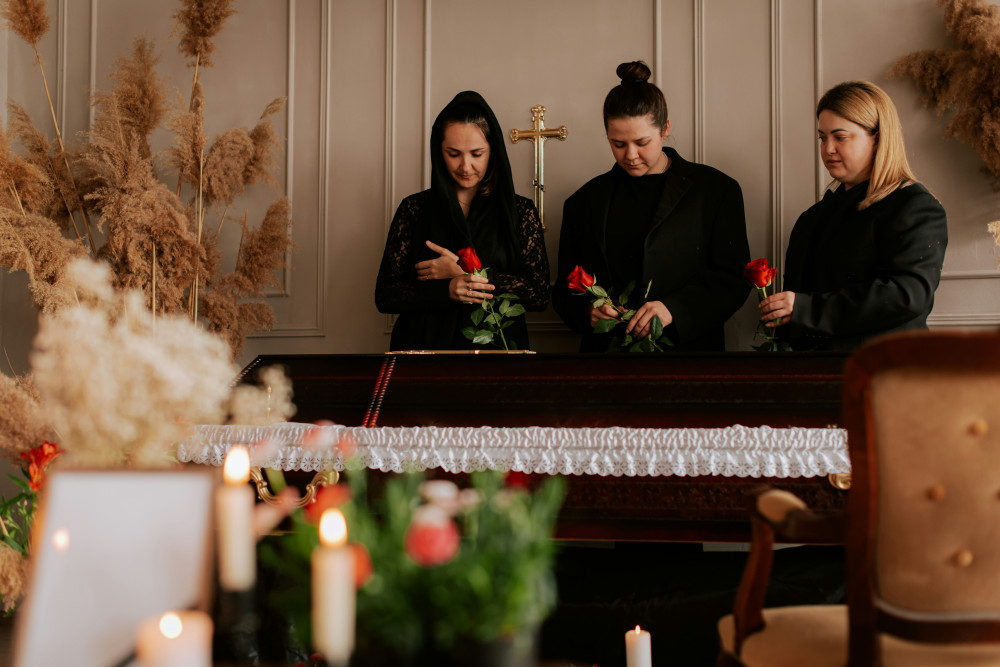
In American culture, women are often praised for their strength. They are expected to endure, to hold everything together, and to rise again no matter what life brings. But behind the ideal of the “strong woman” lies a heavy burden: the expectation to handle grief, loss, and pain with grace and composure. For many women, this means their sorrow becomes silent, hidden behind a smile that says, I’m fine, even when they are not.
When Strength Turns Into a Requirement
Strength itself is not the problem. It can be a source of resilience and hope. But when strength becomes an obligation rather than a choice, it can turn into a cage. Many women in the U.S. feel pressure to “move on” quickly after a loss—whether it’s the death of a loved one, a breakup, a miscarriage, or a serious illness.
Phrases like “You’re so strong” or “You’re handling this so well” are often meant as comfort, but they can also close the door to vulnerability. They suggest that showing pain is a failure, that tears are a sign of weakness. When strength becomes synonymous with emotional suppression, it loses its humanity.
The Invisible Grief
Women’s grief often goes unseen because it doesn’t fit the narrative of the selfless, capable, and endlessly nurturing woman. Many feel they must take care of others’ emotions even while their own hearts are breaking. They keep daily life running—for their children, their coworkers, their families—while quietly carrying their own sorrow.
This hidden grief can be exhausting. It can lead to isolation, even when surrounded by people. For some, the pain becomes chronic because it never finds a voice or a safe space to be acknowledged.
Making Room for Vulnerability
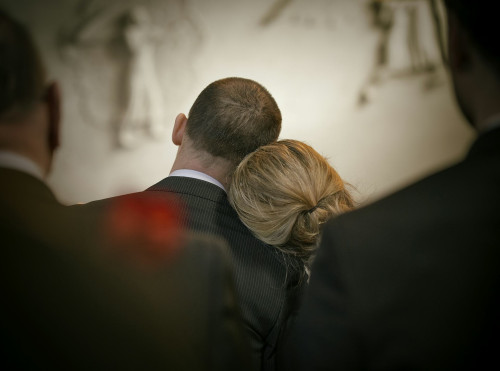
Allowing oneself to grieve openly takes courage. It means admitting that you don’t have control, that you need help, that you are human. For many women, this feels unfamiliar—especially if they’ve spent years being the one others rely on.
Creating spaces where vulnerability is welcome can make a difference. That might mean talking with trusted friends, joining a support group, or seeking therapy. Speaking grief aloud doesn’t make it heavier—it makes it more bearable.
Læs også:

Changing the Cultural Story
If women are to grieve without shame, society must also change its story about what strength means. True strength is not the absence of emotion but the willingness to feel it. It’s not about doing everything alone but about reaching out when you need support.
Workplaces, media, and communities can all play a role by normalizing conversations about loss and mental health. When we talk openly about grief, we make it easier for women to step out of the role of the unbreakable caretaker and into a more authentic version of strength.
Finding Strength in the Fragile
Grief and strength are not opposites. In fact, real strength often grows from the recognition that we cannot control everything. When women allow themselves to show their sorrow, they also show a kind of courage that can inspire others.
To be strong does not mean to be untouched. It means standing in the midst of pain and still believing that life can hold both loss and hope.
Læs også: