New Routines After a Loss – How to Make Room for Both Grief and Gratitude

New Routines After a Loss – How to Make Room for Both Grief and Gratitude
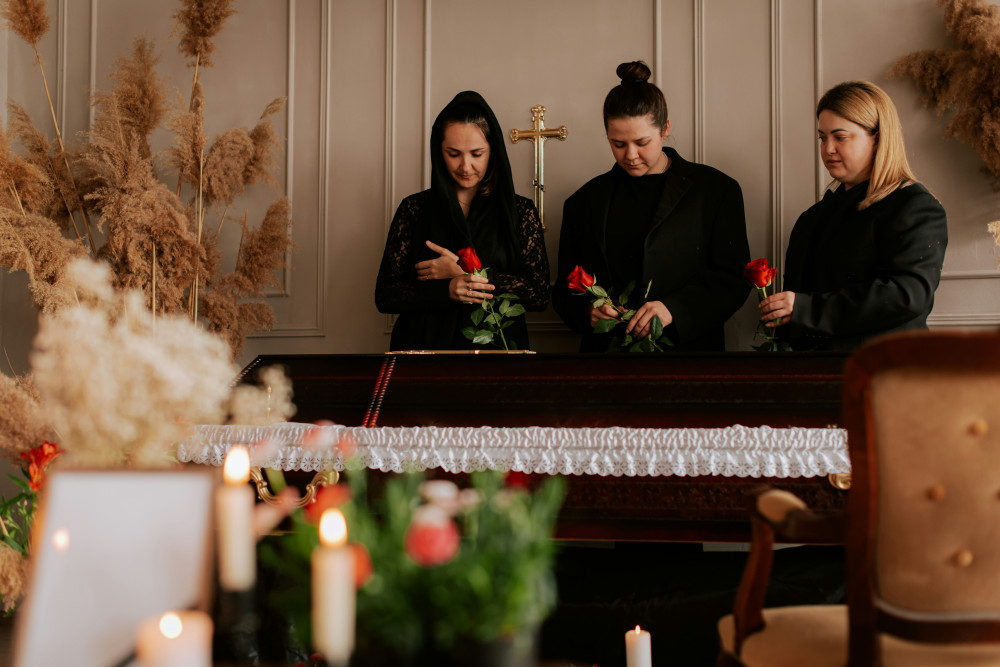
When you lose someone you love, everyday life changes in an instant. The routines that once gave your days structure and meaning can suddenly feel empty. Memories may bring both sorrow and gratitude—two emotions that often live side by side. Creating new routines after a loss isn’t about forgetting; it’s about making space for life again while carrying your loss with you.
When Daily Life Loses Its Rhythm
Loss can make even the smallest tasks feel overwhelming. Meals, sleep, and social plans may lose their natural rhythm. Many people describe time as standing still or days blending together. This is a normal reaction—grief disrupts the patterns we usually rely on.
The first step is to accept that your days will look different for a while. Instead of pushing yourself to “move on,” start with gentle, manageable routines: wake up at the same time each day, take a short walk, make a cup of tea, or write a few lines in a journal about how you’re feeling. These small acts aren’t about achievement; they’re about creating a framework that can hold you through the uncertainty.
Læs også:



Making Space for Grief
Grief isn’t something to fix—it’s something to live with. Making space for it means allowing yourself to feel it when it comes, rather than pushing it away. Some days it may fill every corner of your mind; other days it may rest quietly in the background.
You can create small rituals that give your grief a place to belong. Light a candle when you think of the person you’ve lost. Visit a place that was meaningful to both of you. Write a letter you’ll never send. These gestures can help shape your sorrow into something tangible and more bearable.
Finding Gratitude in What Was
In the midst of grief, gratitude can feel out of reach. But over time, memories can also become a source of warmth and strength. Gratitude doesn’t mean being glad for the loss—it means recognizing the love, lessons, and moments that shaped your life.
Try recalling specific times when you felt joy, comfort, or connection with the person you lost. Write them down, or share them with others who knew them. These memories can help you maintain a sense of connection—not as pain, but as part of your life story.
New Routines as Support
As you slowly begin to find your footing again, new routines can bring structure and meaning. They don’t have to be big changes—just small, steady practices that help you feel grounded:
- Morning rituals – Start your day with something that feels safe and familiar, like a quiet cup of coffee or a few minutes of stretching.
- Movement – Gentle exercise, such as walking, yoga, or gardening, can help release tension and calm your mind.
- Creativity – Write, paint, cook, or plant something new. Creating can be a way to process emotions and express what words can’t.
- Community – Even when it’s hard, reach out to people who can hold space for you—friends, family, or a local grief support group.
These routines aren’t replacements for what you’ve lost, but stepping stones toward a new sense of balance.
When Gratitude and Grief Coexist
Grief and gratitude don’t cancel each other out. In fact, they can coexist and deepen one another. When you allow yourself to feel both, the weight of grief becomes a little lighter. You can miss someone deeply and still be thankful for the love you shared.
Making room for both emotions takes time and patience. Some days gratitude will come more easily; other days, sorrow will take the lead. Both are part of healing.
A Life with New Shades
Loss changes us. We don’t return to who we were before, but we can grow into a new way of being. New routines, relationships, and perspectives can slowly take shape—without erasing what came before.
Living after a loss isn’t about closing the door on the past; it’s about opening a window to the future. The ache of missing someone becomes part of you, but it can also serve as a quiet reminder of love’s power—and of how precious life truly is.
Læs også: