Together Through Menopause: Community as Support and Inspiration


Together Through Menopause: Community as Support and Inspiration
Menopause is a natural part of life, yet for many women it can feel like an uncertain and sometimes isolating transition. The body changes, moods fluctuate, and sleep may become elusive. At the same time, many women are balancing careers, family responsibilities, and personal goals. That’s why community and connection can make such a difference—offering both comfort and inspiration during a time of transformation.
When Body and Mind Begin to Change
Menopause typically occurs in a woman’s 40s or 50s, as hormone levels gradually decline. For some, the transition is smooth; for others, symptoms like hot flashes, night sweats, weight changes, or mood swings can be disruptive. These shifts can affect not only physical well-being but also self-image and confidence.
Understanding what’s happening in the body is the first step toward managing it. Talking openly about symptoms—with healthcare providers, friends, or support groups—can help normalize the experience. Realizing that you’re not alone can make it easier to accept the changes and find strategies that fit your own body and lifestyle.
The Power of Community
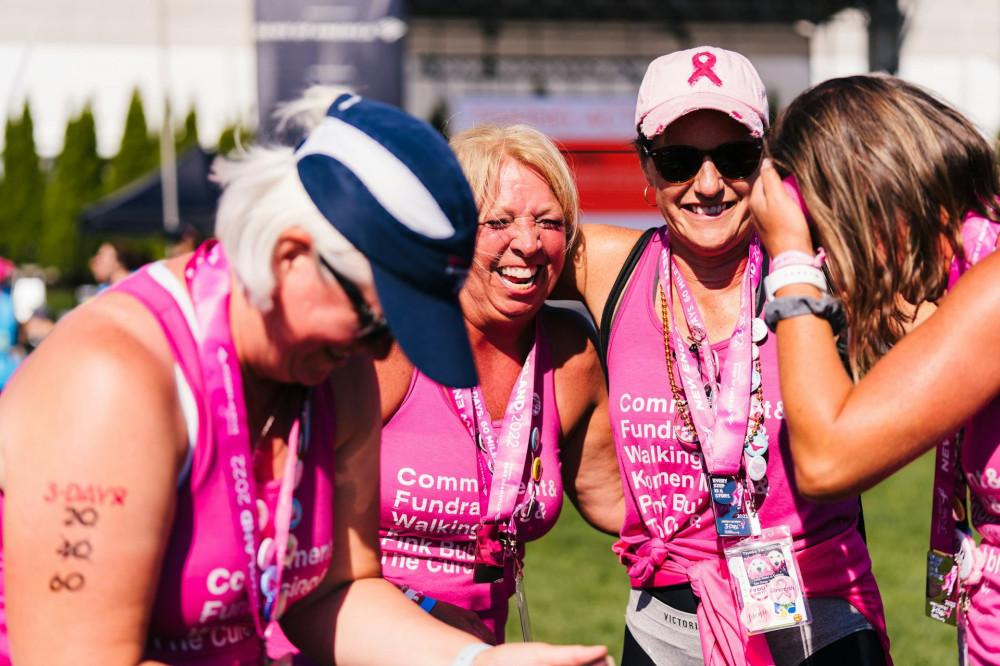
For generations, menopause was something women were expected to endure quietly. But that’s changing. Across the United States, more women are speaking up and forming communities—both in person and online—where they can share experiences, advice, and encouragement. From local wellness circles to social media groups, these spaces offer a sense of belonging and understanding.
Community doesn’t just provide practical tips; it fosters connection. Hearing others’ stories reminds us that menopause isn’t an ending, but a transition into a new stage of life. Many women describe it as a time of rediscovery—an opportunity to redefine priorities and embrace a deeper sense of self.
Inspiration for Self-Care
Self-care is essential during menopause, not as a luxury but as a foundation for well-being. It’s about listening to your body and giving yourself permission to slow down, recharge, and nurture your health. Small, consistent habits can make a big difference:
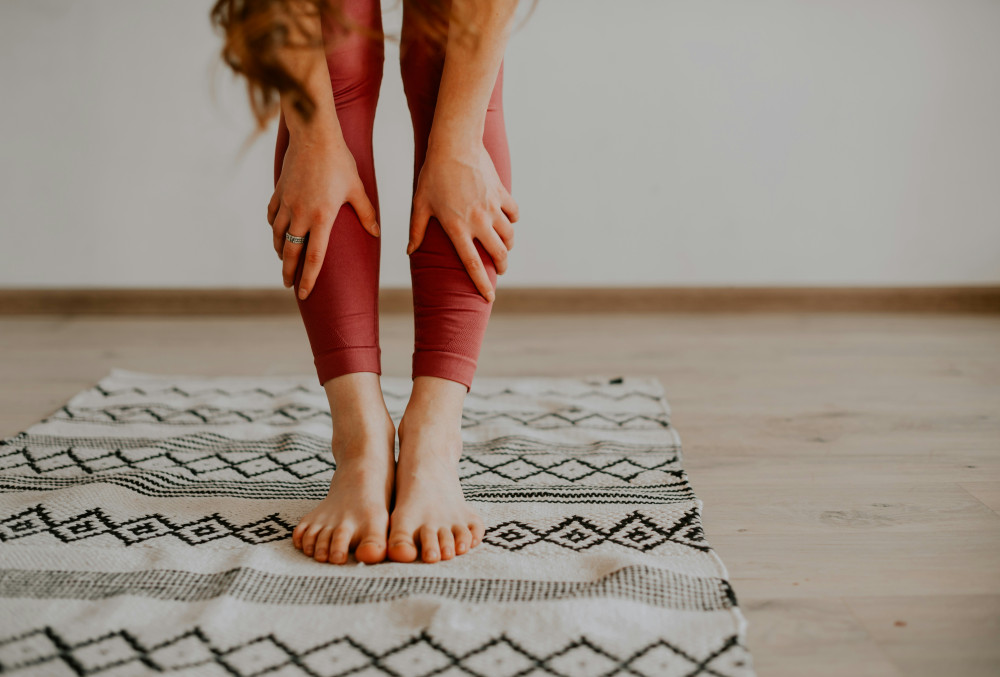
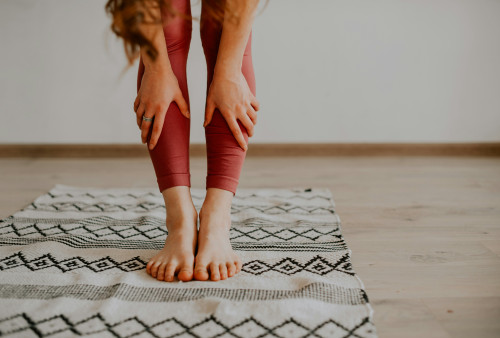
- Movement – Regular exercise such as walking, yoga, or swimming can ease hot flashes, improve sleep, and boost mood.
- Nutrition – A balanced diet rich in vegetables, whole grains, and healthy fats supports energy and hormone balance. Some women find that reducing caffeine and alcohol helps manage symptoms.
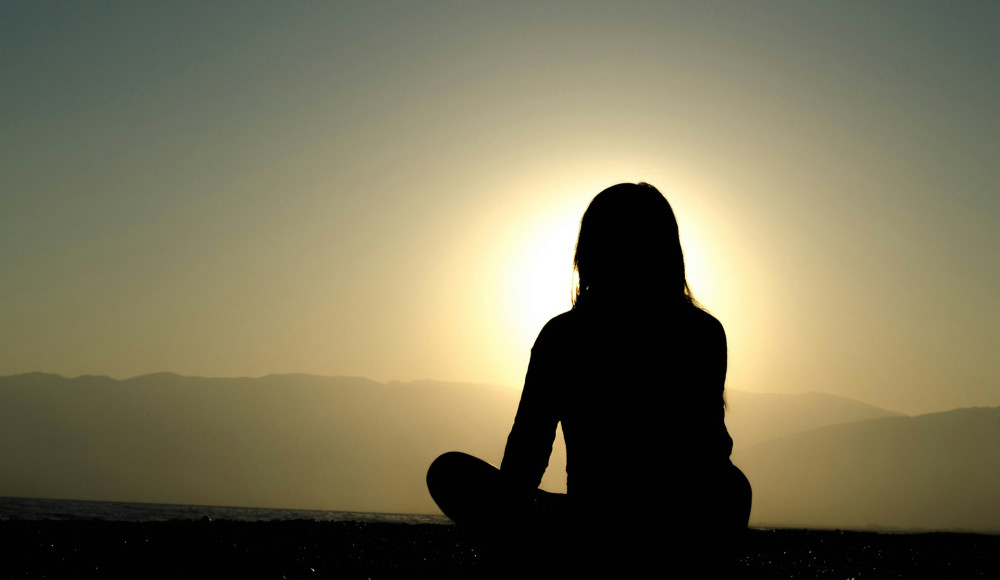
- Rest and relaxation – Establish a calming bedtime routine and limit screen time before sleep.
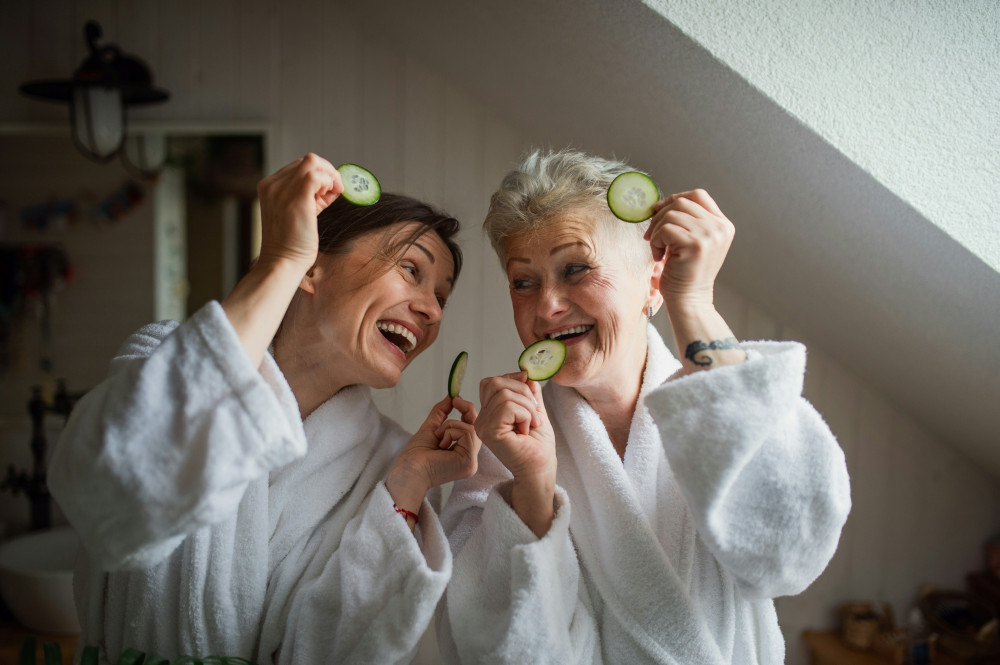
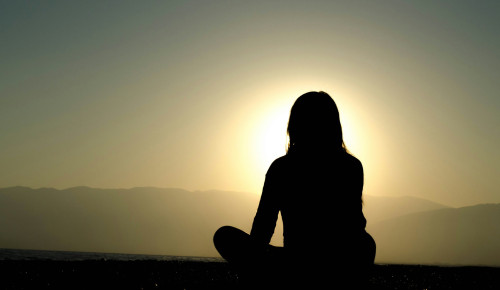
- Time for yourself – Make space for activities that bring joy—reading, gardening, painting, or simply spending time outdoors.
Prioritizing yourself isn’t selfish; it’s an act of strength that benefits both you and those around you.
Conversations That Matter
Open conversations about menopause—with partners, friends, or colleagues—can ease the emotional load. When others understand what you’re going through, it becomes easier to ask for support and create a more compassionate environment. Talking with a healthcare provider can also help identify treatment options, from lifestyle adjustments to medical therapies, that improve quality of life.
These conversations help break down stigma and build a culture where women’s health is discussed openly and respectfully. The more we talk about menopause, the less isolating it becomes.
Læs også:


A New Chapter of Possibility
While menopause can bring challenges, it also opens the door to renewal. Many women find that, once through the transition, they experience a new sense of freedom—physically, emotionally, and creatively. It can be a time to explore passions, set new goals, or simply enjoy life with greater self-awareness.
Going through menopause together makes the journey lighter. Community offers strength, knowledge, and inspiration—and reminds us that this stage of life is not about loss, but about growth, wisdom, and transformation.
Læs også: